
Introduction
Why multilingual presence matters for global reach
A multilingual strategy expands your online presence beyond a single language market. It supports local relevance, boosts credibility, and increases the chance that AI assistants reference your business in diverse regions. At MultiLipi, we deliver AI enabled localization aligned with multilingual SEO to boost visibility across languages and search engines.
Being listed in an AI answer is not something a website owner can switch on. A stronger approach is to make every target-language page accessible, accurate and easy to verify, then measure whether search and AI tools actually surface the business for local-language questions.
Publish High-Quality Multilingual Content Across Core Languages
Creating language-specific pages that reflect local relevance
Develop language‑specific pages that address local needs, showcases, and services. Include local contact details, hours, and location identifiers in the target language to anchor the business in each market. Accurate location and service details help users and retrieval systems understand the markets you actually serve, making your pages more relevant to local queries. Ensure the presented information aligns with local expectations and regulatory norms to avoid mismatches that could hinder indexing. Additionally, consider strategies to scale local SEO for multilingual audiences. Consistent public-facing information across language variants can help retrieval systems interpret your business accurately, although individual AI platforms control which sources they use. Language-specific content and consistent business data can give retrieval-backed AI systems clearer context about your actual offerings.
Ensure each language page uses clear signals that AI can parse, such as precise service descriptions, localized FAQs, and structured data that mirrors the user’s linguistic context. Regularly audit these pages for accuracy and alignment with current offerings in every market. Include site‑wide harmonization checks so that terminology remains consistent while still honoring regional variations.
Local-language pages must be crawlable, linked, and discoverable.
Business entities, services, locations, and language signals must agree.
Localized proof, accurate listings, and helpful content build confidence.
Implement Strong International SEO Foundations
Hreflang and alternate language annotations
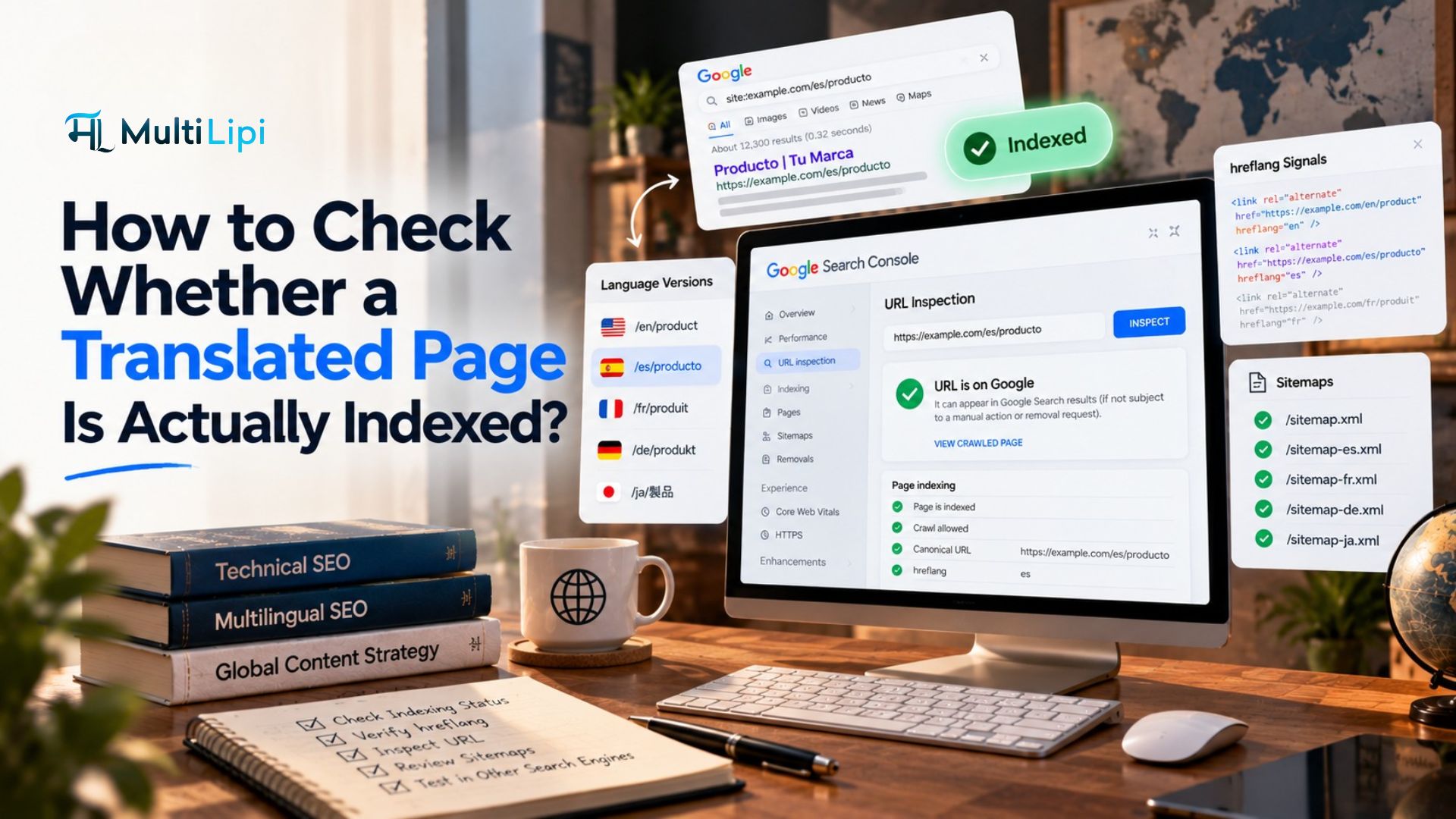
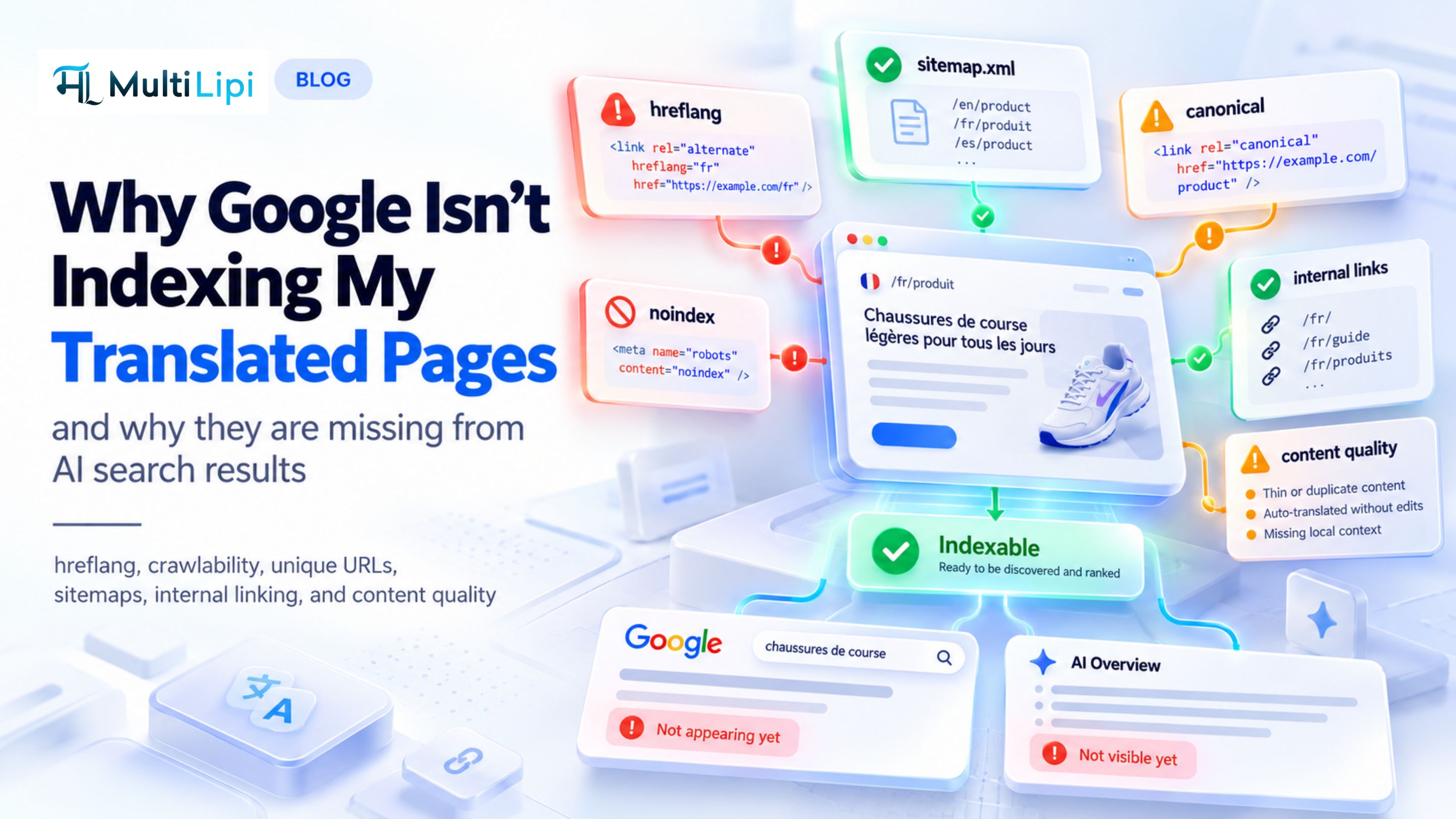
Hreflang tags help Google Search select the appropriate language and regional version of a page. They do not directly instruct every AI assistant which page to cite. Accurate hreflang supports international search discovery and can help the correct localized page reach users, but it does not guarantee inclusion in AI-generated answers. Apply these tags across multilingual page families and keep them consistent to avoid mixed signals in search and improve the experience of reaching the appropriate language version.
When you set a page in a given language, link to every other language version with the proper hreflang value and include a self reference for the current page. Add a default fallback URL for cases where a user’s language does not match any available page. Regular audits catch translations that become orphaned or misindexed, which can shrink visibility in AI-driven answers.
Structured data and language-targeted metadata
Extend your structured data and schema markup for AI search to reflect language-specific entities, local identifiers, and address formats, thereby enhancing structured data for multilingual AI responses. Implement language-targeted metadata optimization by utilizing JSON-LD in the language of the target market, ensuring that AI systems can interpret the content with the right context. Align business details such as name, street address, and phone number to the language and locale, which enhances comprehension in AI responses, facilitating a more accurate and relevant user experience across different languages.
Enhance metadata with language aware titles and descriptions that reflect local intent. Include service areas and regional keywords that match how users search in each market. Validate structured data with page level testing tools to catch errors early, preventing misinterpretation by AI systems.
Hreflang is a language signal—not an AI citation switch
Google says the same foundational SEO practices apply to AI features in Search; there is no special AI-only schema or guaranteed inclusion. Make the correct localized pages crawlable and helpful first.
Separate localized URLs, accurate content, and linked language alternatives.
Search systems can find the right locale rather than guessing.
Consistent business names, addresses, services, and contact information.
Business information remains unambiguous across markets.
Matching JSON-LD, localized titles, and visible facts.
Structured signals reinforce the actual page; they are not a citation shortcut.
Optimize AI-Friendly Content Signals in Each Language
Clear entities, addresses, and service descriptions per language
Define precise entities for every language version. List exact business names, street addresses, phone numbers, and service keywords in the local language to help AI systems map your offerings to real locations. Clear, language specific descriptions reduce ambiguity and improve relevance in AI generated answers. In practice, you should review each locale to confirm that names and terms match local usage and avoid anglicized variants that could mislead AI tooling.
Localized schema and FAQ emission for AI responses
Use language appropriate structured data to describe services, locations, and hours. Implement localized FAQ schemas that reflect common questions in each market. This makes your local topics and answers clearer to users and to systems that retrieve web content; FAQ markup itself does not guarantee an AI citation. When crafting these, align the questions with typical intents you observe in each linguistic audience and ensure answers stay concise and actionable.
- Include language tailored product or service terms that match local intent
- Annotate each locale with its own address, hours, and contact details
- Ensure consistency between on page content and structured data across languages
Align your language signals with user queries that arrive through AI channels to achieve improvements in AI search visibility in multilingual contexts while adhering to AI visibility fundamentals. Considering the language constraints and SEO localization for AI-related content is crucial; when AI tools parse your pages, especially your AI overview pages, they should encounter unambiguous references to what you offer, where you operate, and how customers can engage in their preferred language. This is particularly relevant when aiming for enhanced AI search visibility across diverse languages, as clear communication in multiple languages broadens your reach. Incorporating AI-friendly content signals per language helps in effectively communicating your intent to AI algorithms, which are increasingly sensitive to variations in language usage. Technical SEO for AI overview pages is essential for ensuring that these pages are optimized for crawlability and indexing effectiveness, involving proper implementation of crawler rules like robots.txt and considerations for rendering. The impact of AI on traditional SEO fundamentals necessitates that we adapt our approach, as algorithms evolve to prioritize quality content and expertise for AI visibility in multiple linguistic contexts, ultimately enhancing user intent beyond mere keyword stuffing. Regularly auditing translations for accuracy while ensuring terminology remains current with local service offerings and regulations can significantly elevate your site’s performance. A solid site structure supports these efforts, as it allows AI algorithms to navigate your quality content easily while adhering to your specified crawler rules, further cementing your visibility in diverse language scenarios. While classic international SEO still holds value, AI search now rewards content that is structured, localized, attributable, and entity-consistent, making it essential to navigate the intricacies of multilingual optimization carefully. Understanding AI visibility fundamentals and implementing AI-friendly content signals per language is key to meeting user expectations and harnessing the advancements brought forth by AI.
Make every local-language answer verifiable
If the business name, service area, contact details, and localized content disagree, adding more keywords or FAQ markup will not resolve the underlying ambiguity.
Scale Localization Across CMS and Commerce Workflows
Seamless CMS/eCommerce localization integration
Connect your content and product data to multilingual templates within streamlined localization workflows in your CMS or eCommerce platform. Use integrated localization features to publish translated titles, descriptions, and metadata with less repetitive manual work, while reviewing the final output for each locale. Align product categorization, attributes, and price visuals with local expectations to enhance user experience and reduce friction in AI responses.
Standardize language fallbacks and content gaps so AI tools always receive complete signals. Maintain consistent image alt text, localized media captions, and translated error messages to keep user experiences cohesive across languages. Regular integration checks help prevent mismatches that could confuse AI systems.
Leveraging Sitewide localization for AI channels
Apply global localization rules that cover every page and asset, ensuring AI platforms receive uniform signals across languages. Enable language aware routing so users and AI helpers access the correct localized surface in one click.
Use centralized translation memory and glossaries to preserve terminology across the site. This supports clearer entity mapping for AI search results and reduces confusion from inconsistent terms. Monitor how AI channels reference your site and adjust tag sets and language variants accordingly.
Establish Trust Signals and Localized Reviews
Localized testimonials and citations
Gather reviews in the target language that reflect local context and user experience. Highlight stories that reference nearby landmarks, services, or neighborhoods to boost relevance in AI responses. Refresh testimonials regularly so AI systems see current feedback from each market.
Source credible local citations from directories and business listings in each language. Keep citations consistent across platforms so AI can map your geographic footprint and establish credibility. Use phrasing that mirrors how locals describe your offerings, aiding AI in recognizing your services in regional search surfaces.
Local business data accuracy across languages
Maintain precise name, address, and phone number data for every language variant to ensure local presence and accuracy of business data for AI visibility. Align hours, service areas, and contact methods with local expectations to prevent misinterpretation by AI. Inaccurate data can undermine trust signals and reduce usefulness in answers, ultimately impacting how well your business is represented in local searches.
Synchronize data across core profiles and local directories in each market to enhance entity signals and ensure brand consistency. Regular checks reveal translation gaps or mismatches with structured data, reducing the risk of misrepresentation in AI-generated responses. Keeping branding consistent across languages not only reinforces credibility and recognition but also strengthens the coherence of entity signals, making your brand more recognizable worldwide.
Service pages and FAQs reflect how customers speak and search.
Names, locations, hours and service areas remain accurate.
Genuine reviews and testimonials reflect the market.
Test real prompts by language, record mentions, and monitor changes.
Monitor and Adapt to AI Search Behavior Across Languages
Tracking AI response visibility by language
Set up language-specific dashboards to track how AI search surfaces present your business, incorporating AI Share of Voice measurement to assess your visibility against competitors. Monitor which language variants appear in AI overviews, chat responses, and embedded results. Align metrics with local intent signals such as queries in each language, regional naming conventions, and local service descriptions, ensuring you understand your standing across different markets.
- Record frequency of appearances for each language version across AI channels
- Compare response depth, such as whether AI mentions your location, hours, or core offerings
- Note sentiment and completeness of answers in different markets
Iterative optimization based on multilingual AI feedback
Use findings from AI responses to refine content signals in each language. Prioritize adjustments that reduce ambiguity and improve entity mapping for local searches. Implement small, targeted updates and remeasure effects in the next cycle.
- Tweak local terms and service labels to better match how users ask in each language
- Adjust structured data and FAQ entries to reflect language specific questions
- Test alternate phrasing for location references to boost relevance in AI outputs
Maintain a cadence for multilingual tests, documenting what changes lead to clearer AI results. This disciplined approach helps sustain visibility across AI search results while ensuring accuracy in each language market.
Measure mentions by market, not just keyword rank
Track a consistent set of local-language prompts, observe whether your business is cited or described accurately, and compare how those answers change after content updates.
FAQ
Why should I optimize for AI search in multiple languages?
Multilingual optimization helps your business appear in AI generated answers, AI overviews, and chat results across languages. It improves local relevance, builds credibility in each market, and expands reach beyond English only.
Which languages should I target first?
Start with languages that reflect your current customer base or planned expansion markets. Prioritize languages tied to your locations, service areas, and key demographics to maximize local relevance.
What signals do AI systems use to surface my business?
AI systems rely on accurate entity signals, language appropriate content, structured data, and consistent local data across pages and profiles. Clear addresses, service descriptions, and localized FAQs help AI platforms map your business to user questions.
Do I need separate pages for each language?
Yes, create language specific pages that reflect local terminology and user intent. Use consistent branding and ensure internal linking across language variants facilitates easy navigation for both users and AI tools.
How can I measure success across languages?
Monitor language specific visibility in AI surfaces, track mentions of local terms, and evaluate the depth of AI responses. Use dashboards that segment results by language to spot gaps and opportunities.
Should I focus on local reviews and citations?
Localized testimonials and credible citations strengthen trust signals in AI responses. Regularly refresh reviews in each language and ensure listings in local directories stay accurate.
"Cuando tu público objetivo es global, que el contenido digital optimizado para búsqueda se vuelva aún más imprescindible para garantizar la visibilidad en distintos mercados." , Experto en SEO Multilingüe
Conclusion
To boost your visibility in ChatGPT, Gemini, and other AI search results—particularly through AI-assisted visibility in search engines—it's essential to consider the comparative performance of various AI platforms such as Perplexity, Claude, Copilot, and Gemini. Paid advertising, where available, is a separate channel from organic AI answers and does not guarantee that an assistant will cite or recommend your business. Start with solid multilingual foundations while grounding your approach in accurate localization, language-aware signals, and reliable data that these AI systems can effectively map to user questions. Establishing topical authority for AI references is crucial, as it builds trust and relevance in your content. Pay close attention to user intent and integrate AI search visibility keywords that align with the specific needs and queries of your target audience, enhancing the relevance and response quality of your content across various platforms.
Prioritize language specific pages, localized FAQs, and structured data that reflect local intent. This helps AI tools generate precise, relevant answers that support global growth while preserving brand consistency.
Continue monitoring AI response behavior in each target language and iterate based on concrete feedback. Small, frequent adjustments keep local signals aligned with evolving AI search patterns, sustaining credibility across languages and markets.
"Lorsque votre audience cible est mondiale, disposer d’un contenu numérique optimisé pour la recherche devient crucial pour assurer la visibilité sur différents marchés." , Expert en Marketing Numérique
Useful MultiLipi guides and tools
Continue from content localization to crawlability, clear business entities, international SEO and measurement of visibility across AI-assisted search experiences.